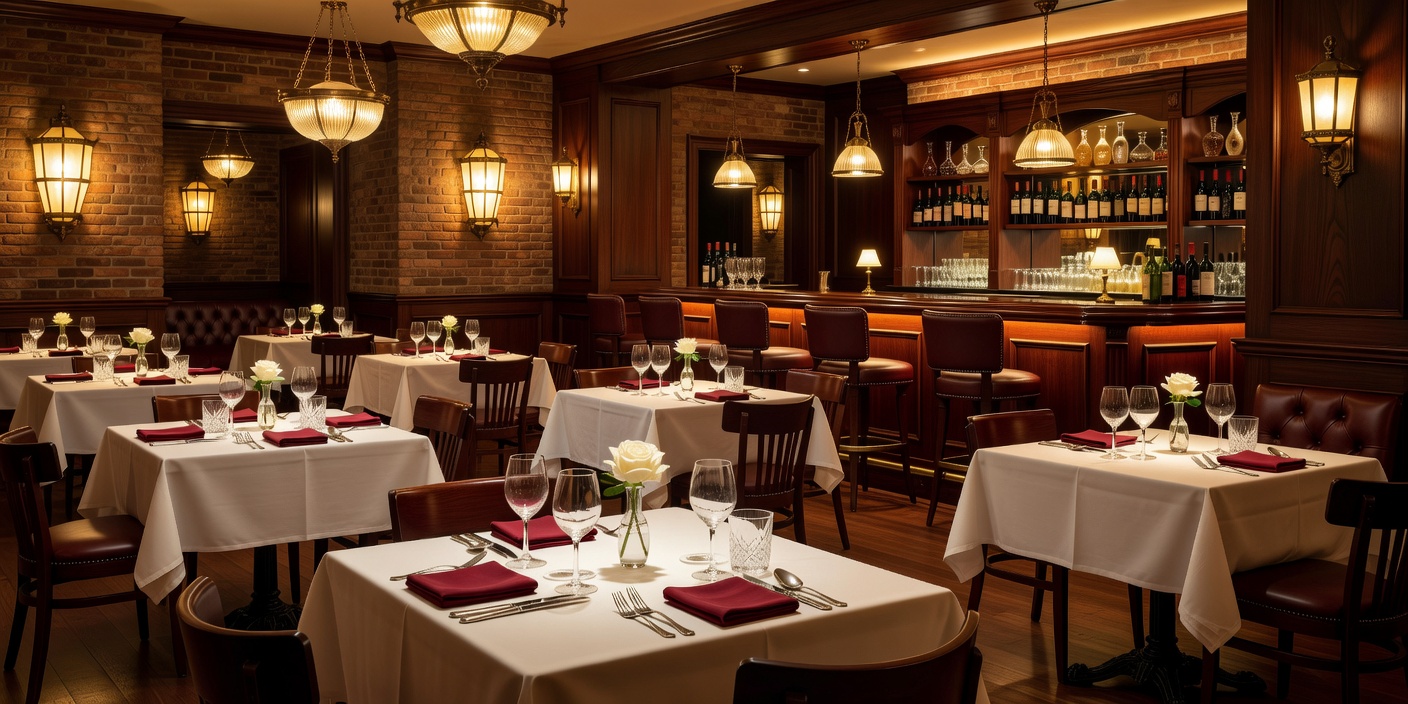
A desert dining experience might be a courtyard supper, a simple breakfast before an early departure, or a terrace table that looks toward an evening horizon. The setting can be memorable, but it is not a substitute for a well-considered meal. Look for clear information about ingredients, service, dietary needs and the way a dining experience is organized. The most interesting stories are often specific and modest: a seasonal ingredient, a shared table, a cooking method explained by someone who knows its context.
Setting the table outdoors
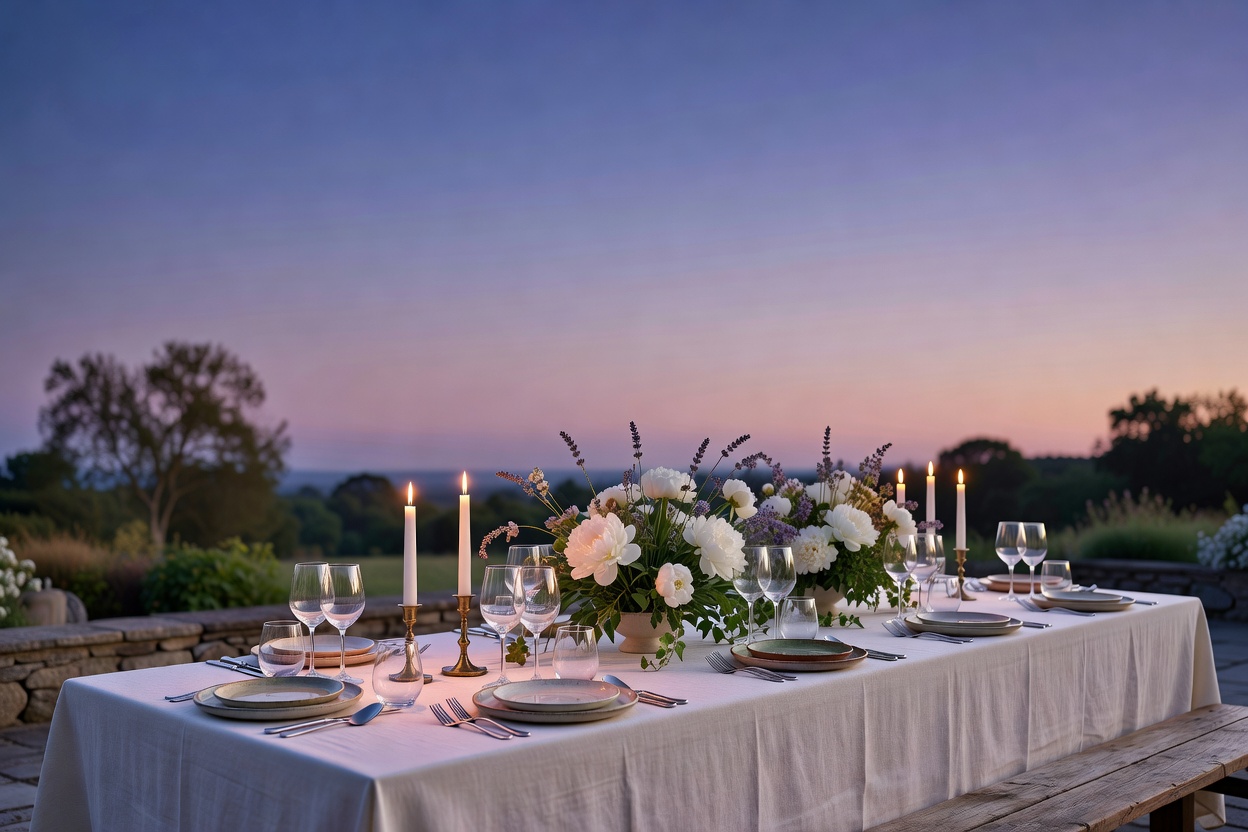
Open-air dining brings the atmosphere close. It also brings heat, wind, insects, dust and changing temperatures into the meal. Courtyard restaurants can offer shelter and a sense of enclosure; terraces may open broad views but be more exposed. Private dining can feel intimate, though the format, location and service should be confirmed directly. Ask whether a special meal is an established offering or a request that depends on conditions and staff availability.
Outdoor cooking requires thoughtful food handling and temperature control. A well-run operator should be able to explain how food is stored, prepared and served safely in the conditions of the location. Travelers do not need to audit a kitchen, but clear, confident answers to reasonable questions are reassuring.
Ingredients and local context
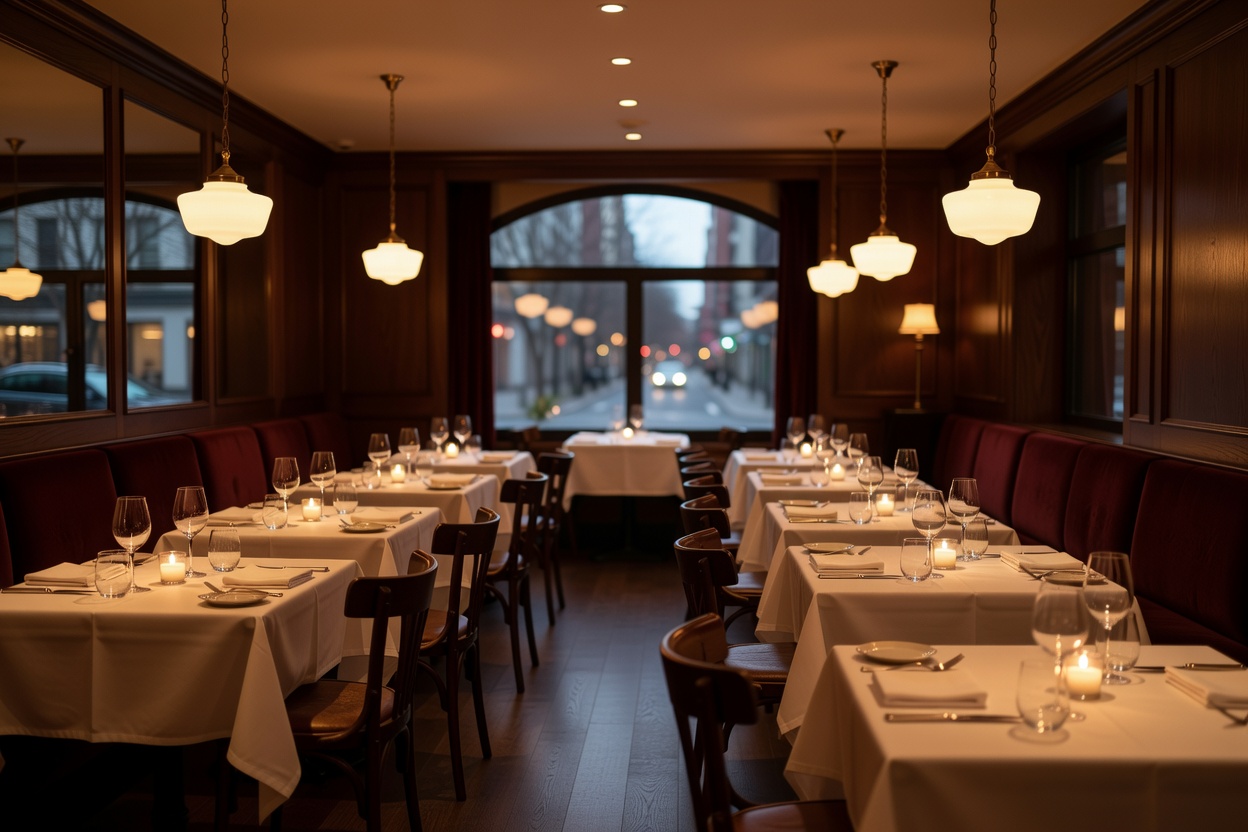
Regional ingredients and cooking traditions can deepen a meal when they are described with care. Menu language should help a guest understand what is being served, where an ingredient comes from when that information is known, and how dishes relate to a broader culinary context. Avoid taking a decorative reference to a culture as evidence of an authentic experience. Food traditions are living, varied and shaped by communities; no single menu represents an entire region.
Seasonal menus may change with availability. That can be a strength when the operator explains substitutions and sourcing honestly. A visitor can ask what is local, what is seasonal and what the menu means by a regional dish. Specific, transparent descriptions are more useful than sweeping claims about authenticity or provenance.
Hospitality, shared meals and choice
Some dining experiences are built around a shared table or a sequence of dishes; others offer a quieter, more independent meal. Neither is inherently more meaningful. Ask about timing, group size, seating and the degree of privacy. For a remote stay, clarify whether meals need to be arranged ahead, what the service hours are, and what alternatives exist if plans change.
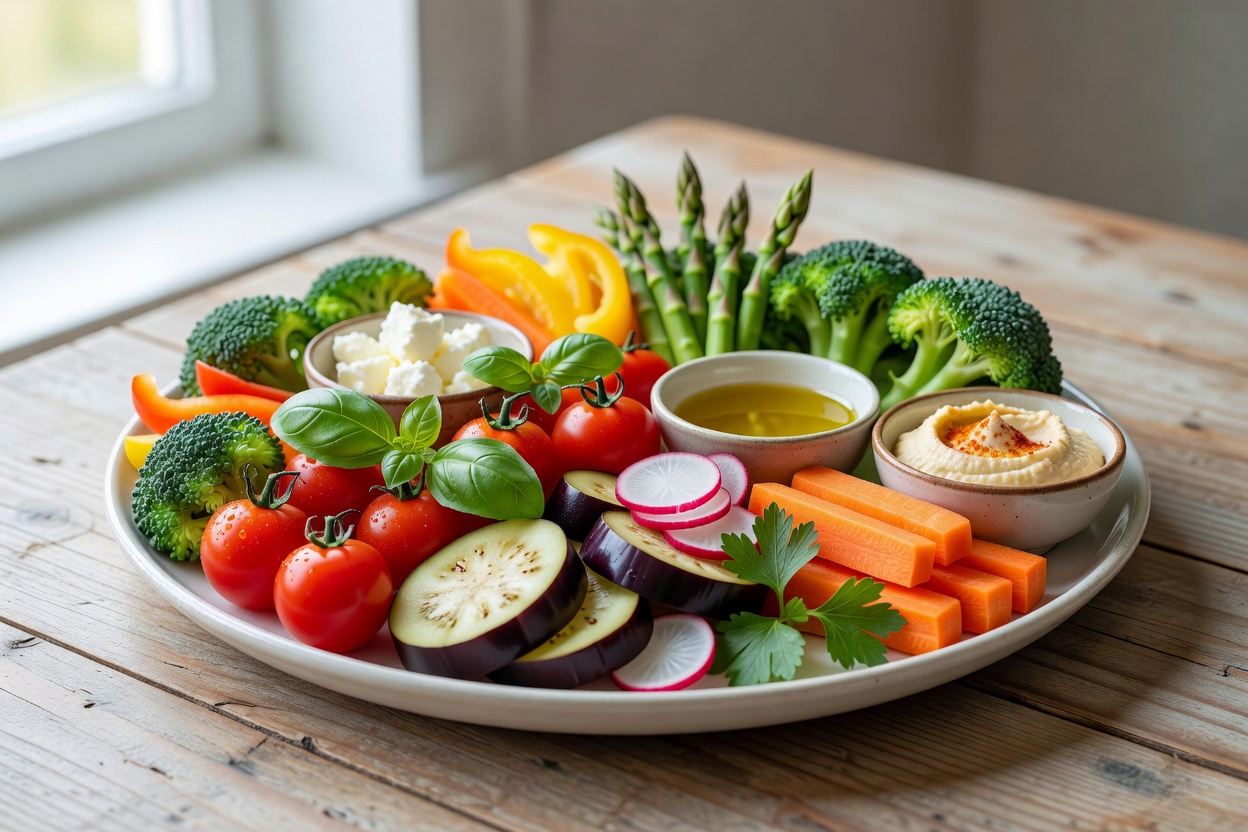
Dietary needs deserve direct communication. Tell the operator about allergies and restrictions before arrival, and ask how they are handled in preparation and service. A menu may not make every limitation clear. For non-alcoholic choices, look for descriptions of teas, infusions, juices or other local beverage traditions where applicable. Avoid assuming that a particular drink or custom is available across a whole region.
Dining in a landscape
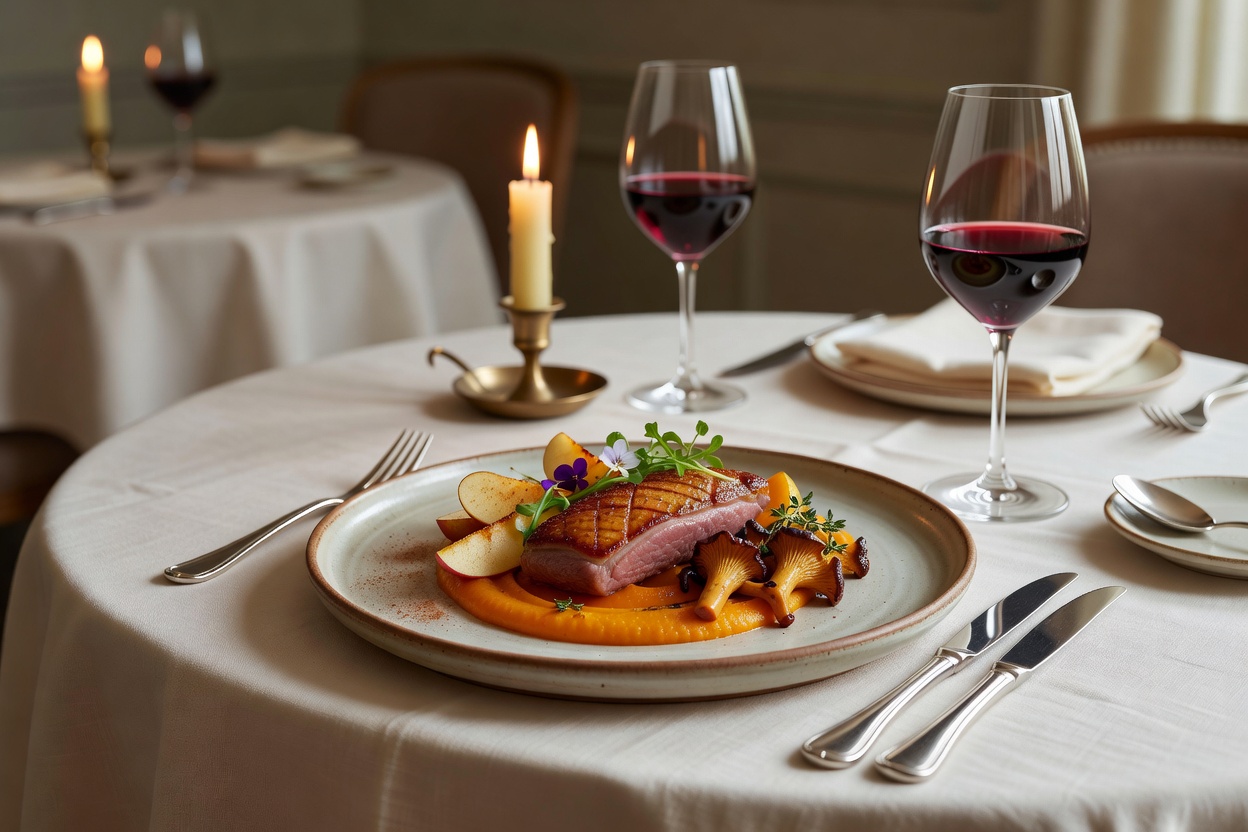
Light, temperature and distance shape when a meal feels comfortable. Midday outdoor dining may need shade and a flexible schedule; an evening terrace can cool quickly after sunset. Consider access and transport if a meal is separate from your accommodation. In remote settings, there may be fewer alternatives nearby, so a clear understanding of meal plans becomes especially useful.
The details differ between places such as Morocco's Sahara regions, the United Arab Emirates, Chile's Atacama and Australia's Red Centre. Local ingredients, hospitality customs, regulations and available services are not interchangeable. Learn from reliable local sources and approach a destination with curiosity rather than a fixed idea of what desert food should be.
Before booking
- Review the menu and ask how ingredients and seasonal changes are described.
- Share dietary requirements and allergies before arrival.
- Confirm service hours, meal arrangements and any advance notice needed.
- Ask about shade, temperature, seating and weather alternatives outdoors.
- Clarify whether a private or special dining setup is actually available.
- Look for specific local context, not unsupported claims of authenticity.
What to know
A striking setting does not tell you the menu, service model or dietary flexibility. Operators can provide the most current details, including prices and availability; we do not list or verify individual restaurant offers. Treat descriptions as a starting point for a conversation.
Consider where the meal sits within the wider stay: explore remote accommodation or discover how courtyards and terraces shape an experience in our architecture guide.