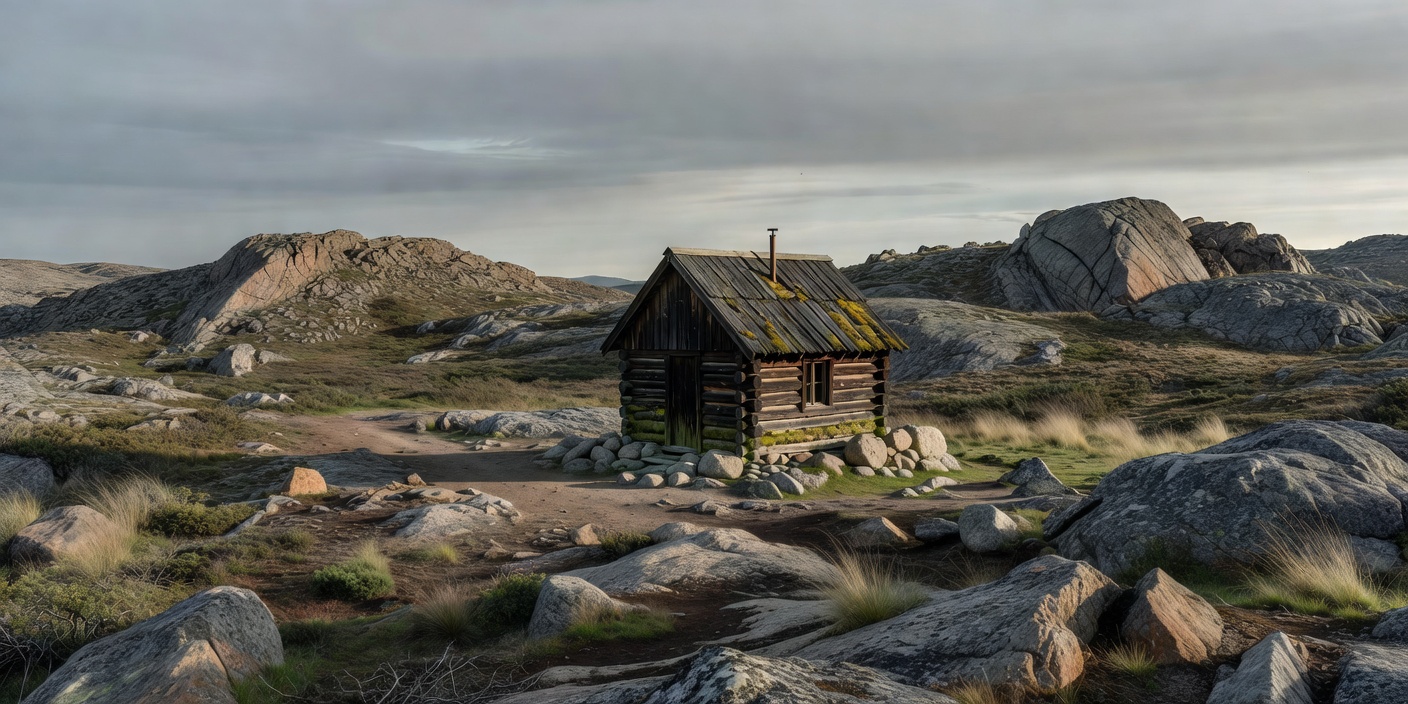
A desert stay may be a small lodge near a town, a cluster of villas reached by a long transfer, or a full-service resort organized around a courtyard. “Remote” describes distance and access, not a guaranteed level of privacy, comfort or service. Before choosing, look beyond the landscape photograph. Think about how you will arrive, what support is available, how much independence you want, and what the property explains about its setting.
Different ways to stay
Boutique lodges tend to suggest a smaller scale, though the word alone does not tell you the number of rooms or the level of service. A small retreat may feel intimate and quiet, but might offer fewer dining or transport options. Architect-designed resorts can provide a wider set of shared spaces and services, while still being far from outside amenities. A standalone villa may offer separation and an outdoor terrace, but the practical details—meals, housekeeping, access and communications—vary by operator.
Look for clear information on what is included and what is available by arrangement. Do not assume that a private pool, restaurant, guided activity or round-the-clock assistance comes with a particular kind of property. When descriptions are vague, ask before committing.
Comfort beyond the view
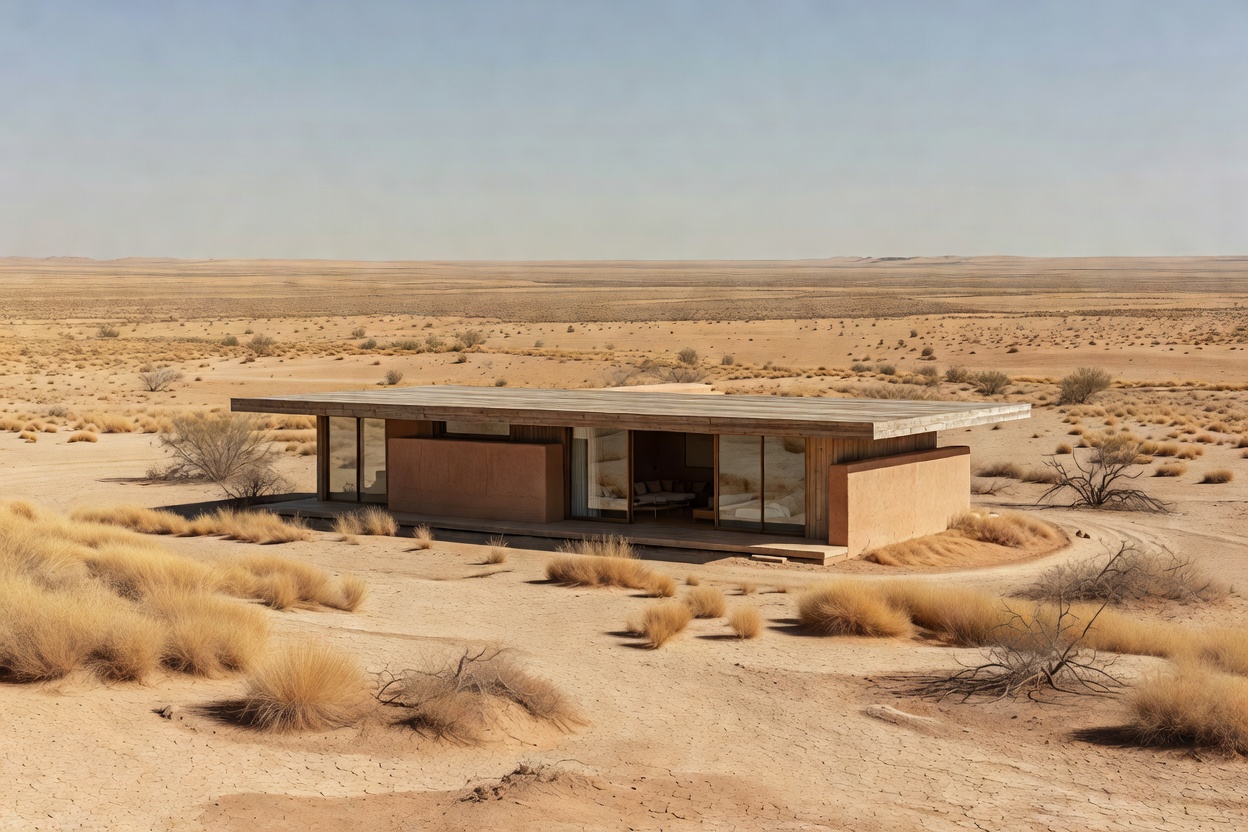
Room layouts and outdoor spaces shape the rhythm of a stay. A terrace may be most useful when it has shade and a comfortable time of day to use it. A large window can make the landscape feel close, but sun exposure, curtains, glare and cooling all affect the room. Ask how heating and cooling operate, especially if you plan to travel in shoulder seasons or at night, when desert temperatures can differ markedly from afternoon conditions.
Connectivity is another part of comfort. Some travelers welcome a quieter connection; others need reliable communication for work or safety. Do not infer coverage from a remote setting or a glossy description. Confirm what the operator can actually provide and consider how you will communicate during transit. Mobile service, Wi-Fi and backup options differ by location and provider.

Getting there—and getting help
Arrival planning matters where distances are long or roads are unfamiliar. Confirm transfer arrangements, meeting points, arrival windows and whether the final approach requires a particular vehicle or local driver. Check whether arrivals after dark are possible and what instructions are provided. Avoid relying on a map pin alone in places where navigation, coverage or access can be uncertain.
Remote accommodation may depend on carefully planned food, water, fuel, supplies and staff logistics. The visitor does not need to assume responsibility for a property's operations, but can ask how the stay is organized and what services are available. Water and resource constraints can be important in arid places; seek practical, location-specific explanations instead of treating a general sustainability claim as proof.
Compare the trade-offs
More secluded
Potentially quieter, with broader views and fewer nearby services. Access, transport and independent plans may need more advance coordination.
More connected
Often easier for transport and outside services, though privacy and a sense of isolation may be different. Check the actual setting rather than relying on labels.
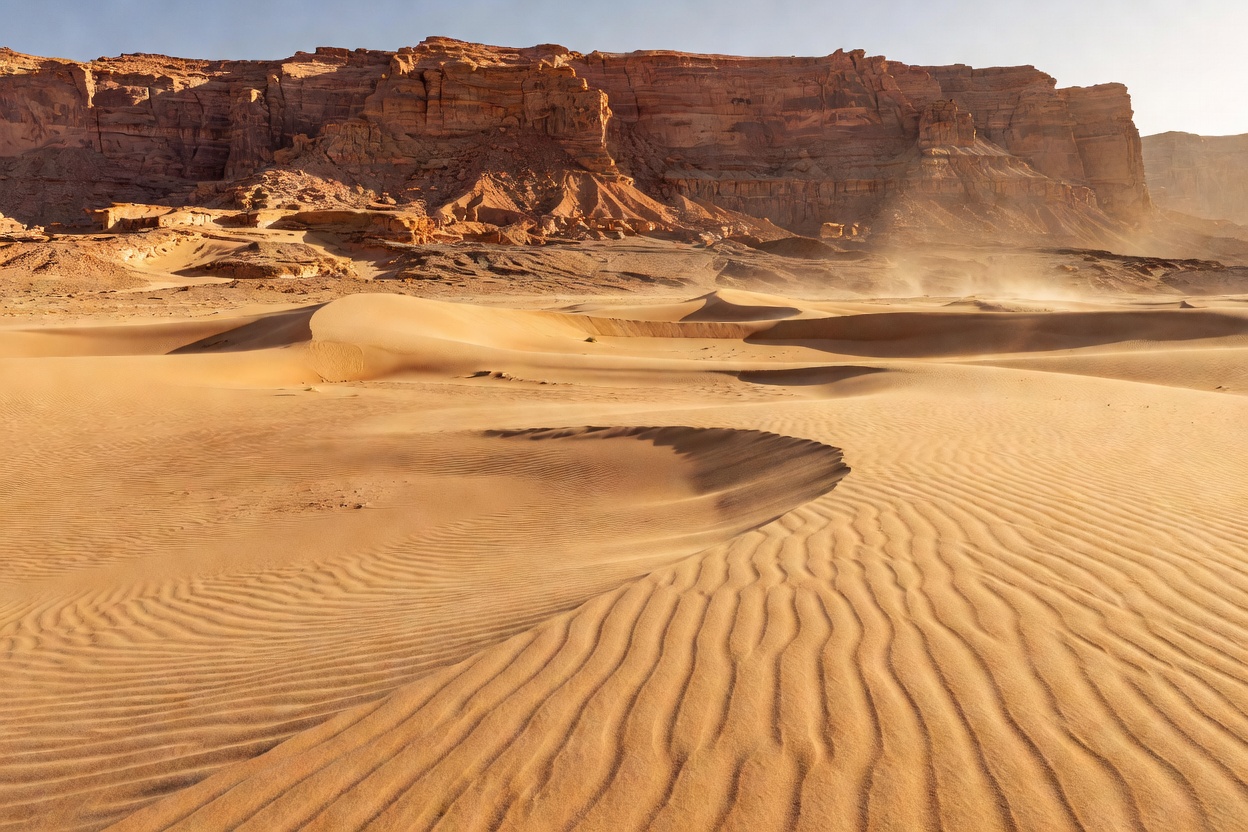
Neither option is automatically better. Choose the amount of independence you genuinely want, not an imagined version of remoteness. In destinations such as Wadi Rum in Jordan, AlUla in Saudi Arabia, the Atacama in Chile or Australia's Red Centre, accommodation types, distances, climates and visitor infrastructure differ widely. Treat each as its own place, and check current local advice before travel.
Before you choose
- Confirm the exact arrival route, transfer plan and after-dark procedure.
- Ask what meals, transport and guest support are actually included.
- Check cooling, heating, connectivity and relevant accessibility details.
- Understand how far outside services are and what alternatives exist.
- Review cancellation terms and conditions directly with the provider.
- Consider water use, waste handling and local context with specific questions.
Good for
A smaller lodge may suit travelers who value a quieter scale and are comfortable planning ahead. A full-service resort may fit visitors who want more shared facilities or coordinated experiences. A villa can work for those seeking their own space, provided its service model suits the trip.
What to know
Remote does not always mean inaccessible, and a resort may still rely on advance transport planning. Ask detailed questions and get practical information in writing. No guide can confirm current availability, prices or facilities for a particular property; contact the operator directly.
For a closer look at spaces and site choices, read our architecture guide. If the night sky is part of your plan, see stargazing in the desert.