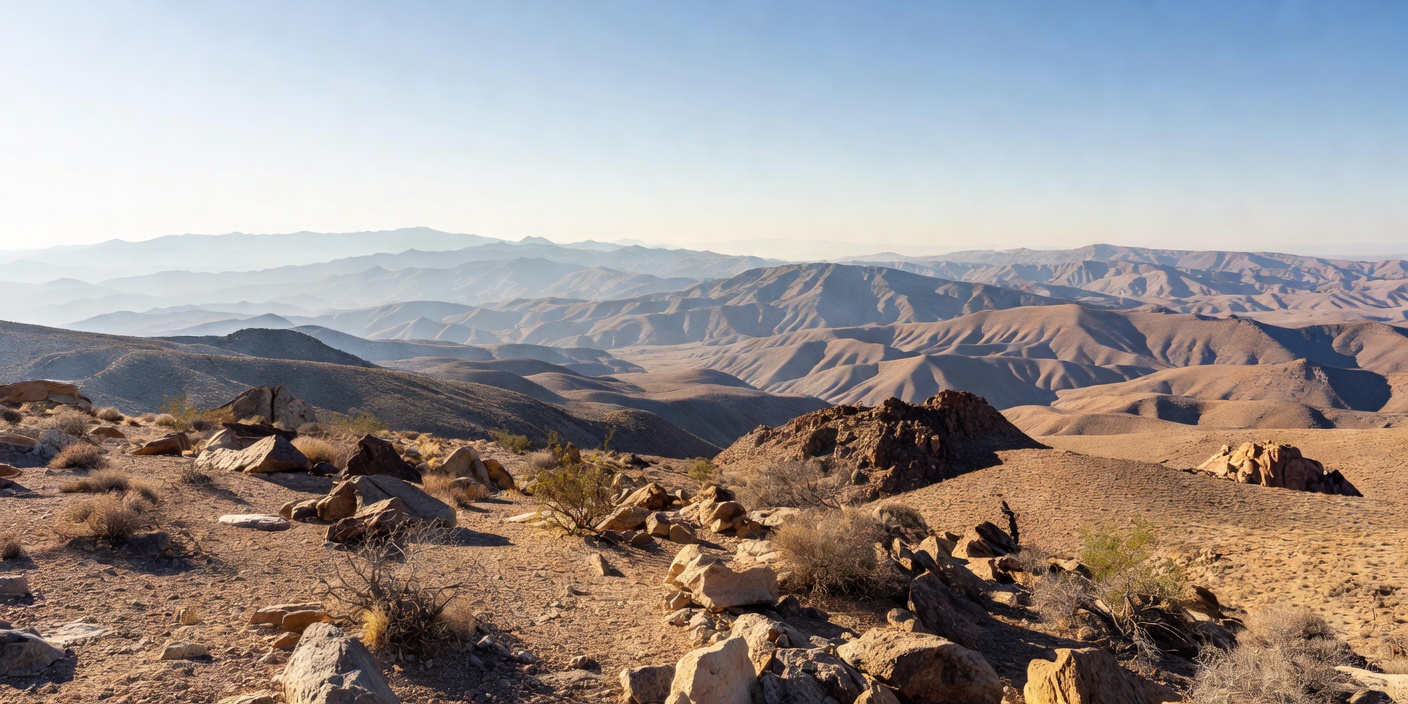
Desert landscapes invite attention: a change in the color of stone, a line of tracks, the way a ridge catches the last light. A walk can bring these details close; a guided drive may make larger distances legible. Neither format is automatically right for every traveler or place. The route, local rules, weather, terrain and visitor's experience all shape what is appropriate.
Ways to spend time outdoors
Guided walks can add geological interpretation and help visitors understand the context of a route. Dune and rocky-terrain excursions demand different footwear, pacing and footing; ask about distance, elevation, surface and expected conditions. Sunrise and sunset outings offer gentler light, but they also require planning around darkness, temperature shifts and transport timing.
Photography-focused experiences may pause often and prioritize particular views. If wildlife observation is possible in a region, keep distance and follow guidance; do not feed, call or pursue animals for a photograph. Cultural interpretation is strongest when led by knowledgeable local guides who can speak to their own community and the history of a place. Ask who leads an experience and how cultural knowledge is shared, without treating one guide as a representative of every perspective.
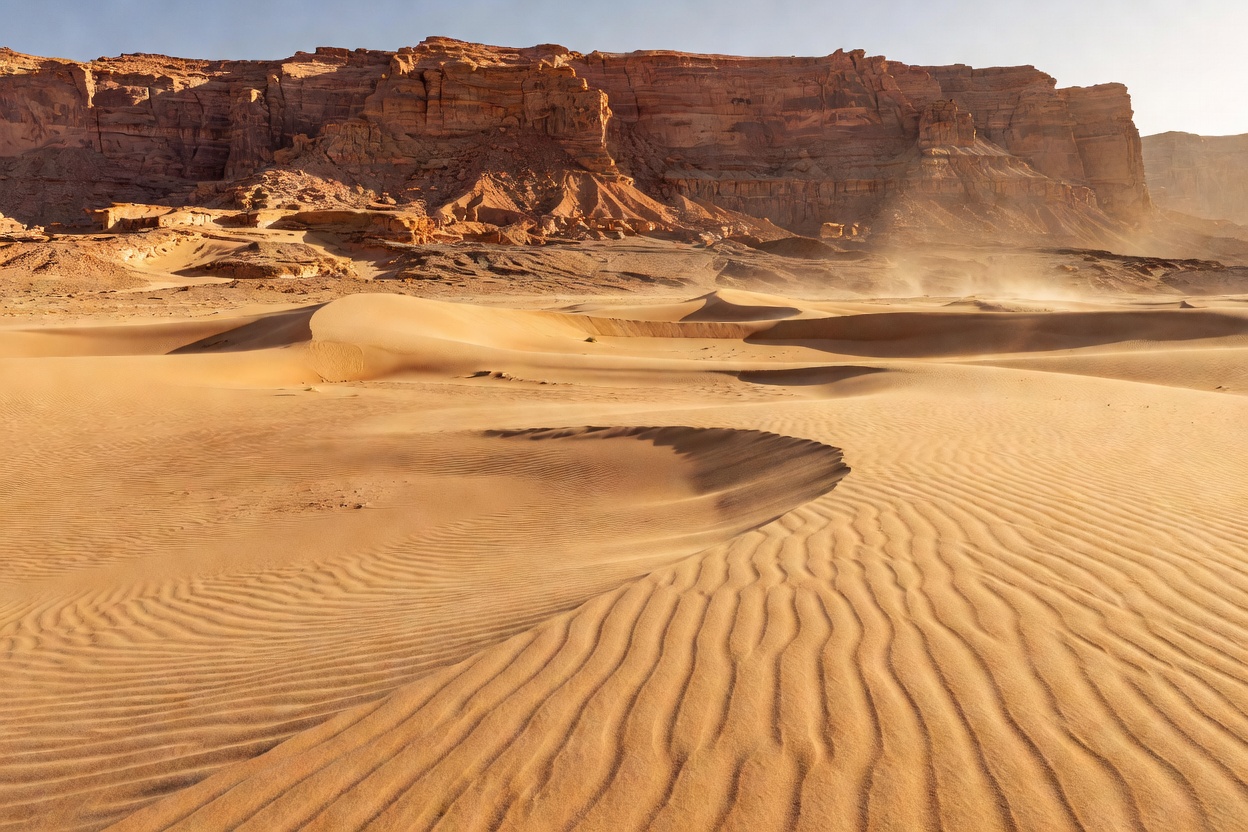
Guided or independent?
A qualified local guide can bring knowledge of routes, conditions, access and nearby communities. Guided travel may also make logistics easier, but the quality and scope of an experience vary. Ask what is included, how group size is managed, what safety preparation is in place and whether the route suits your mobility and experience.
Independent exploration offers flexibility only where it is permitted and responsibly planned. Private land, protected areas, community rules and route restrictions may limit access. Do not assume that a visible trail or an online pin is open to visitors. Check current rules with relevant local authorities or the host, and heed advice about weather, road conditions and communications. This guide is not a substitute for local guidance or a site-specific safety plan.
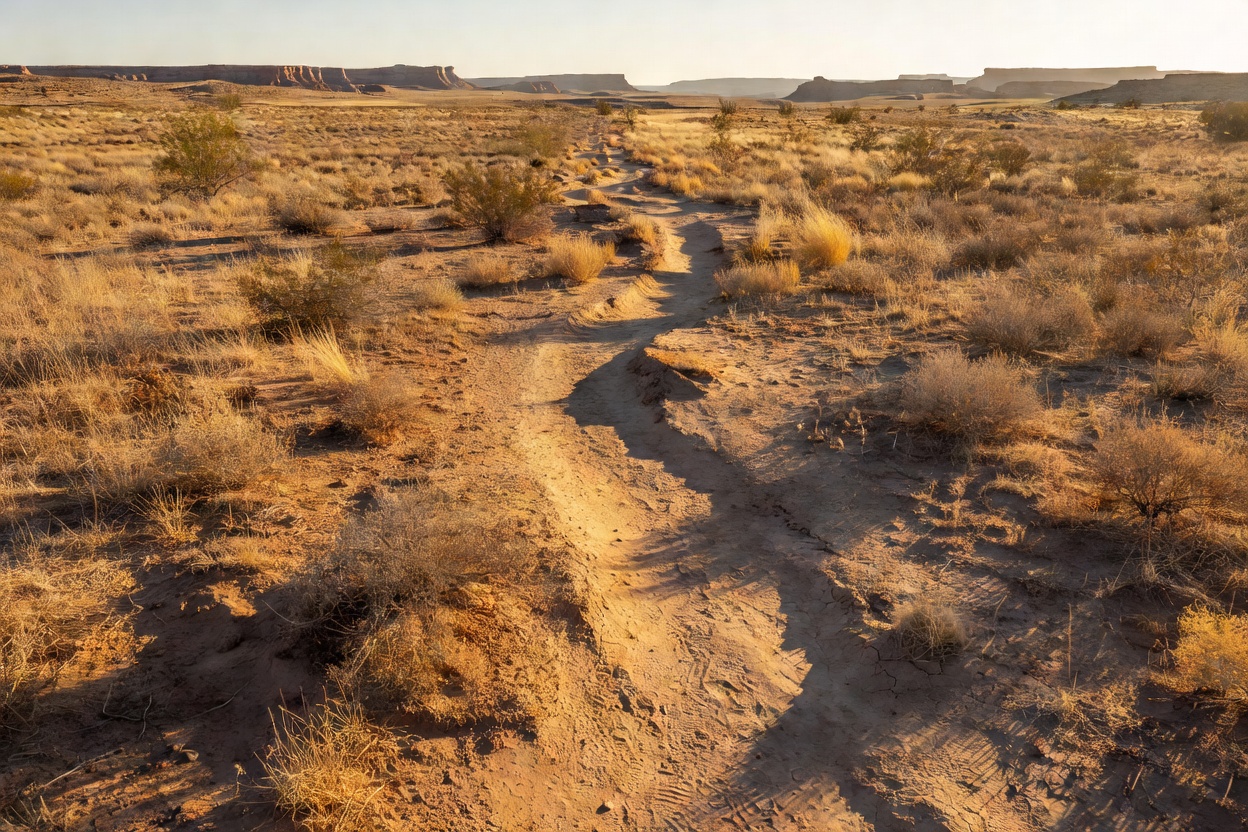
Preparation is place-specific
Heat exposure and hydration deserve serious consideration. The right amount of water, suitable clothing and timing depend on weather, exertion, route length and local advice; follow professional guidance rather than relying on a generic checklist alone. Wear footwear appropriate to the terrain, protect yourself from sun and carry layers for temperature changes. Weather can shift, and a clear morning is not a guarantee for the whole day.
Remote areas may have limited mobile service or long response times. Confirm communication procedures and emergency arrangements with the guide or operator. Share your plan with someone responsible when appropriate, and do not set out beyond your ability or available support. Avoid traveling in extreme conditions or improvising a route into unfamiliar terrain.
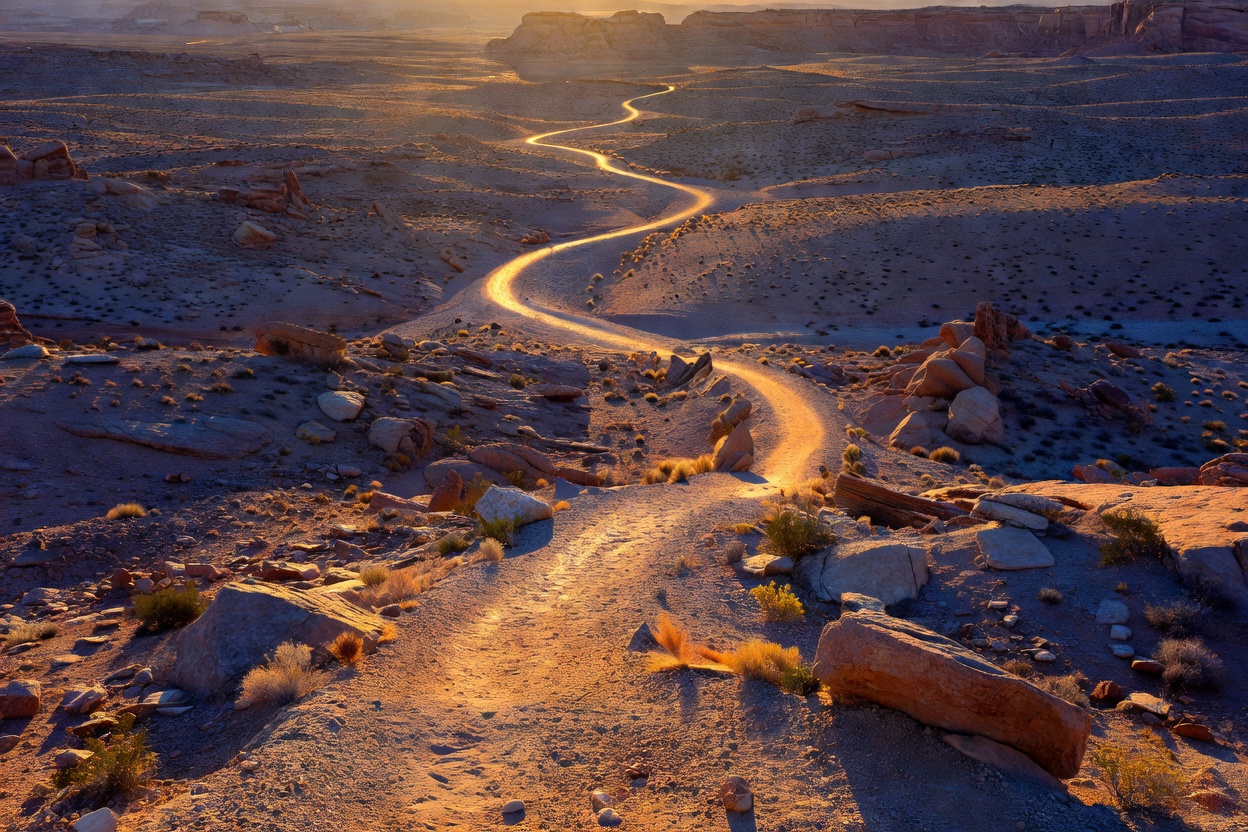
Responsible exploration
Keep to authorized routes and avoid disturbing fragile ground, plants, wildlife and historic features. Do not remove stones or artifacts, leave waste, or create new tracks. Respect private land, protected-area regulations and community boundaries. Follow guidance about photography, particularly around people and culturally significant places. Local rules and the appropriate way to visit differ from one region to another.
Places such as Wadi Rum in Jordan, the Namib in Namibia and the Sonoran Desert across parts of the United States and Mexico have distinct geographies, land management and visitor contexts. A general description cannot determine where you may go or which activities are available. Verify access conditions locally before setting out.
Practical preparation checklist
- Confirm route, duration, terrain, access permission and weather conditions.
- Ask who leads the outing and what local knowledge is included.
- Choose footwear, sun protection and clothing for the actual forecast.
- Discuss hydration, communication and emergency arrangements with your guide.
- Respect wildlife, cultural heritage, private land and protected-area rules.
- Reassess plans if conditions or your comfort level change.
Good for
Guided walks suit visitors who value interpretation and a managed route. Scenic outings can suit travelers who prefer a slower pace or broad landscape views. Photography and wildlife observation are best approached with patience and respect for others and the place itself.
What to know
Current conditions and access rules matter more than generic advice. Ask the operator specific questions and follow local instructions on the day. After time outdoors, explore a more settled side of the trip in our remote-stays guide or consider the ritual of a meal in desert dining.