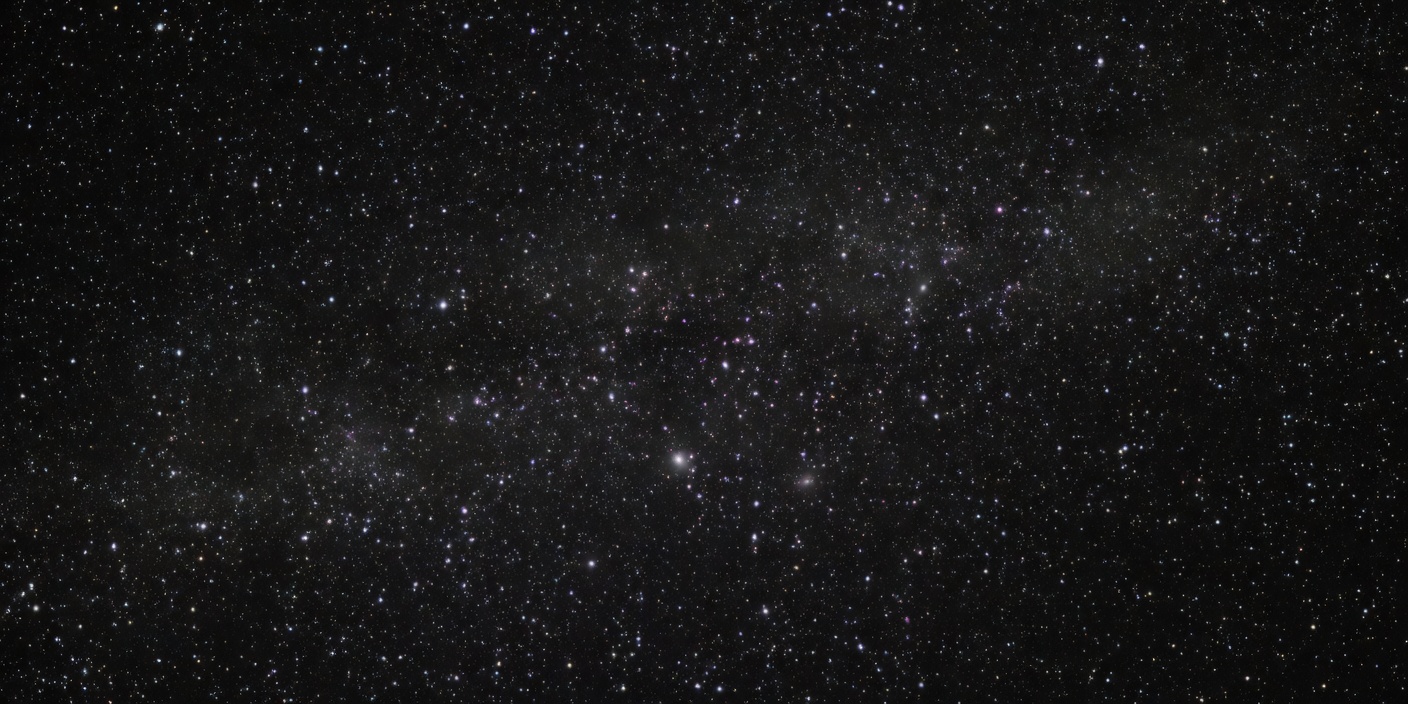
The appeal of stargazing in an arid landscape is partly the change of pace. At night, distant ridges become silhouettes and small sounds come forward. Away from bright settlements, a dark environment may offer a rewarding view of the sky. But desert locations do not automatically guarantee clear or exceptionally dark conditions. Clouds, dust, humidity, nearby lights, moonlight and seasonal weather can all change what is visible.
Darkness is not the whole story
Light pollution from towns, roads and buildings affects how many stars are visible. Even at a remote property, outdoor fixtures can make a difference. Look for information about shielded lighting or designated dark areas, and use only the paths and observation spaces permitted by the host. Allow your eyes time to adjust and avoid shining a bright phone screen into the viewing area. Red light can preserve night vision better than white light, but should still be used thoughtfully and safely.
Moon phase matters. A bright moon can wash out fainter stars and the Milky Way, yet illuminate the terrain beautifully. A darker moonless evening may reveal more faint objects if skies are clear. Think about which experience you want rather than assuming that darker is always better. Check a reliable lunar calendar close to your travel dates.
Weather, seasons and altitude
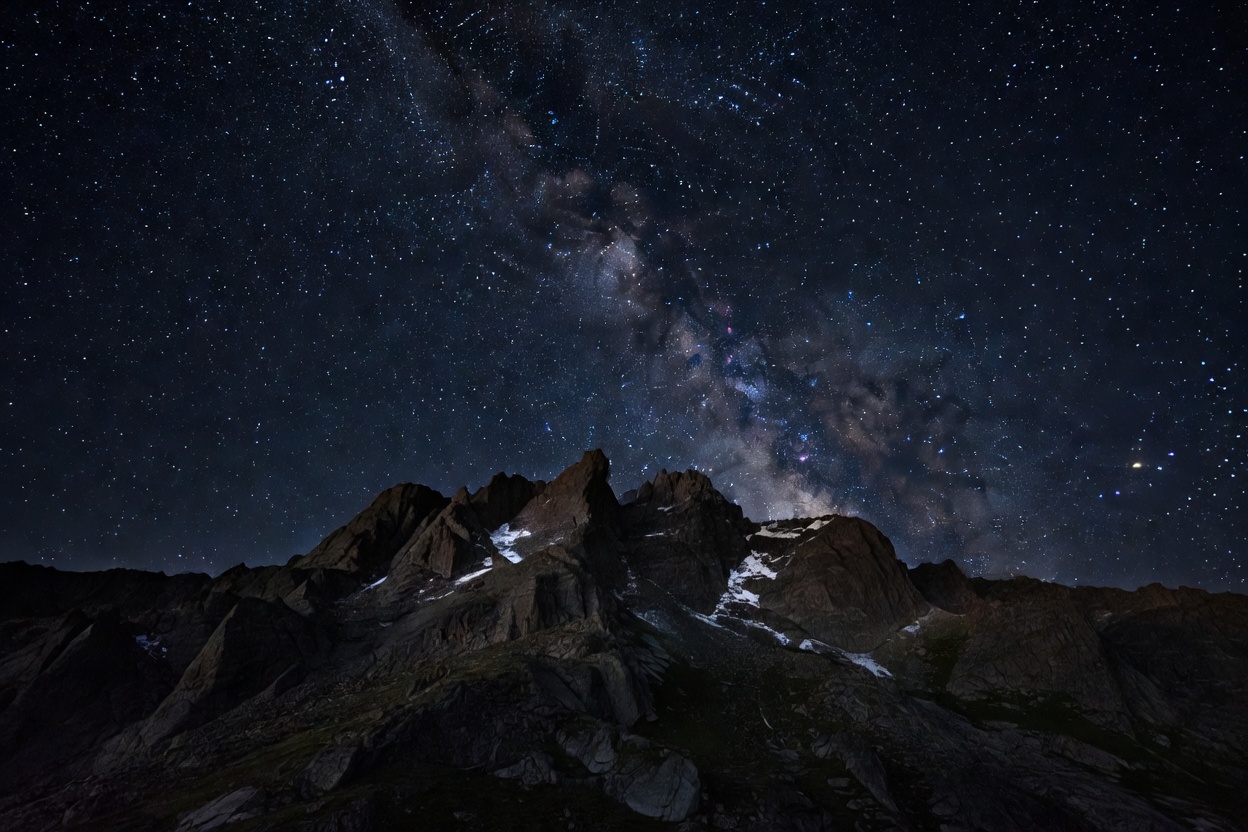
Cloud cover is the obvious obstacle, but not the only one. Dust, haze, humidity and wind can soften visibility. Seasonal changes affect night length, temperatures and which parts of the sky are overhead at a given time. Conditions also differ by elevation and location. The Atacama Desert in northern Chile, the Namib in southwest Africa and desert regions of the Middle East each have their own weather patterns; do not transfer a general impression of one place to another.
Use local forecasts and ask your host or guide what conditions are typical for the dates you are considering. No one can guarantee a clear sky simply because a stay is in a desert. If clouds arrive, the night is not wasted: twilight, landscape silhouettes and the sound of a place settling into darkness can be an experience in itself.
From naked eye to telescope
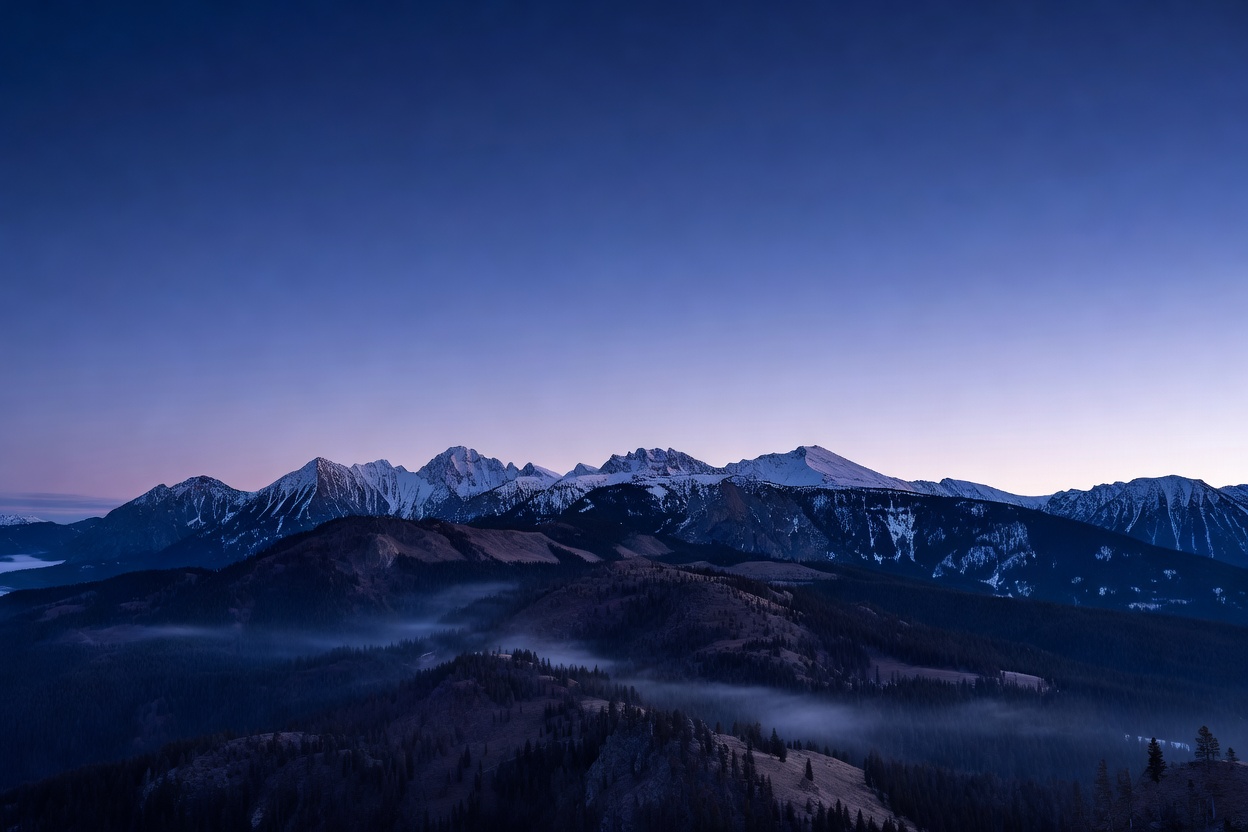
Begin with the naked eye. Give yourself time to identify the brightest stars, notice constellations and watch the sky's broader patterns. Binoculars can reveal more detail while remaining easy to carry and use. A telescope requires a stable setup, careful handling and someone who knows how to align it; ask whether equipment or a guided session is actually available rather than assuming it comes with a stay.
Guided astronomy can add context, particularly when a knowledgeable guide explains what is visible on that particular night. Verify the format, group size, language, accessibility and weather policy directly with the operator. We do not list or endorse specific guides, observatories or guaranteed events. A simple outdoor seating area can be just as welcome when it is positioned away from bright lights and offers a safe, comfortable place to pause.
Comfort, movement and care
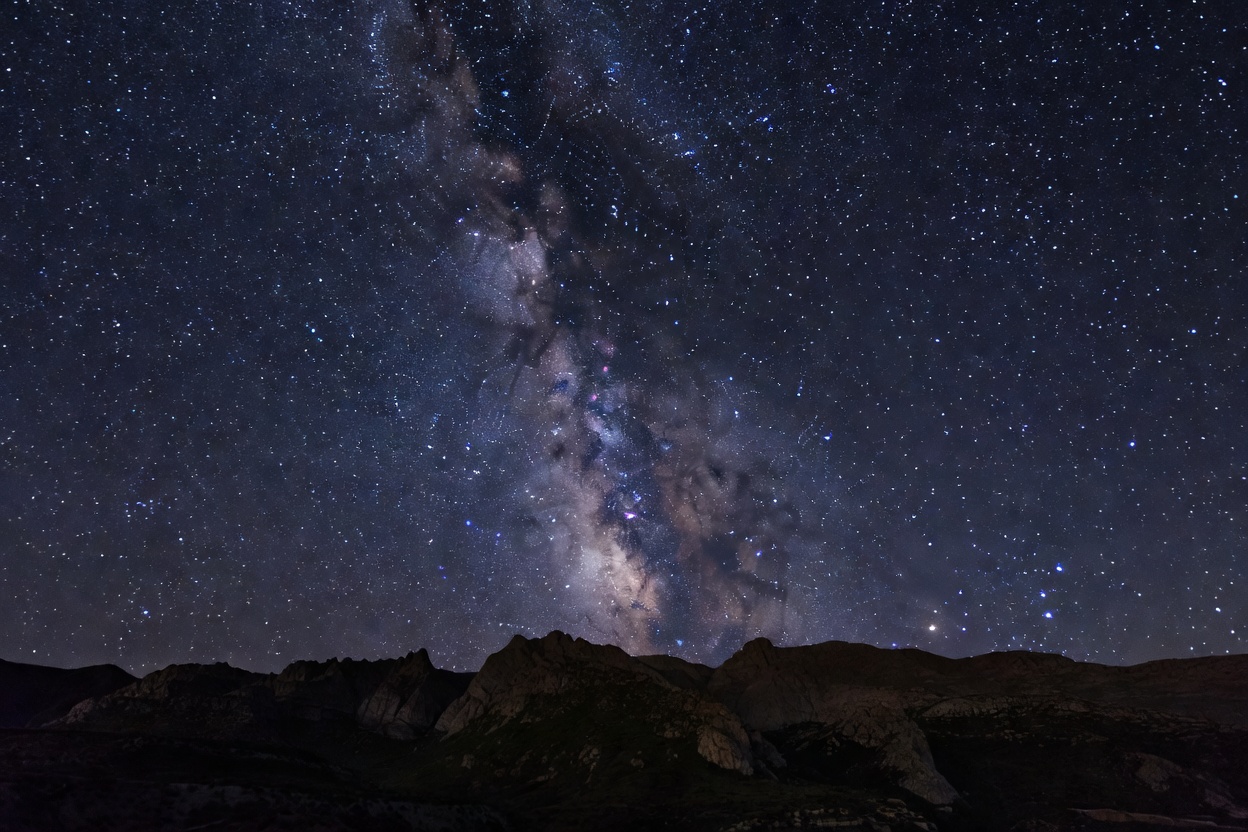
Temperatures can drop after sunset, sometimes quickly. Bring layers suitable for the local forecast, closed footwear and water. Check how to move between your room and an outdoor area safely. A remote property may have uneven paths, steps or limited lighting; ask for practical access guidance and carry only a light that does not compromise night vision. Follow local land-access rules and do not leave the property boundary without permission.
For night-sky photography, a stable tripod, manual focus and longer exposures can help, but a phone screen and repeated bright flashes disturb both adaptation and the quiet atmosphere. Use settings that suit your equipment and be courteous to other guests. Avoid illuminating wildlife or private spaces.
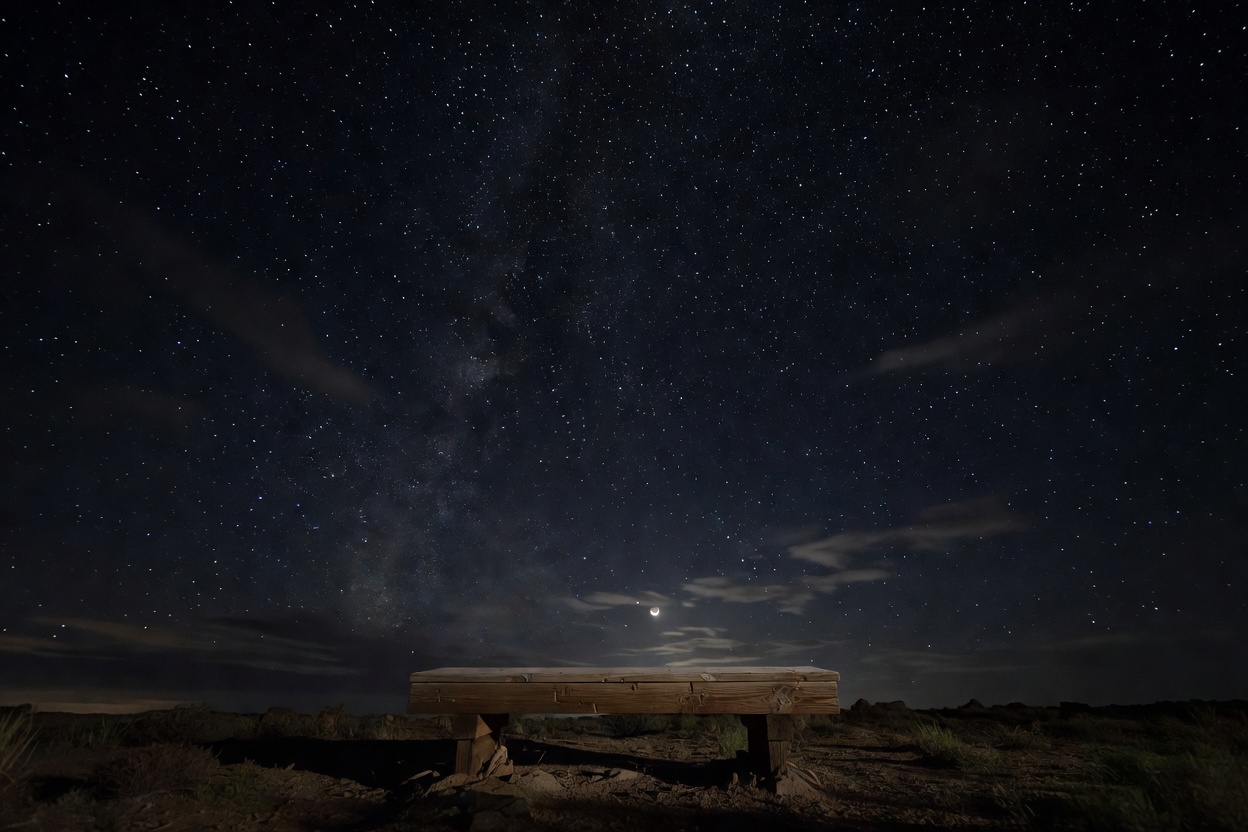
A practical stargazing checklist
- Check moon phase, local forecast and sunset time close to departure.
- Ask whether observation spaces or any equipment are actually provided.
- Pack warm layers, sturdy shoes, water and a modest light.
- Confirm permitted areas and safe routes after dark.
- Protect night vision and keep phone brightness low.
- Build flexibility into the evening; cloud can change the plan.
What to expect
Stargazing rewards patience more than equipment. The sky is not a scheduled show; it is a changing part of the landscape. For stays that put the night outdoors, read our remote-stays guide. To understand how a building can shape the experience of darkness, continue to desert resort architecture.