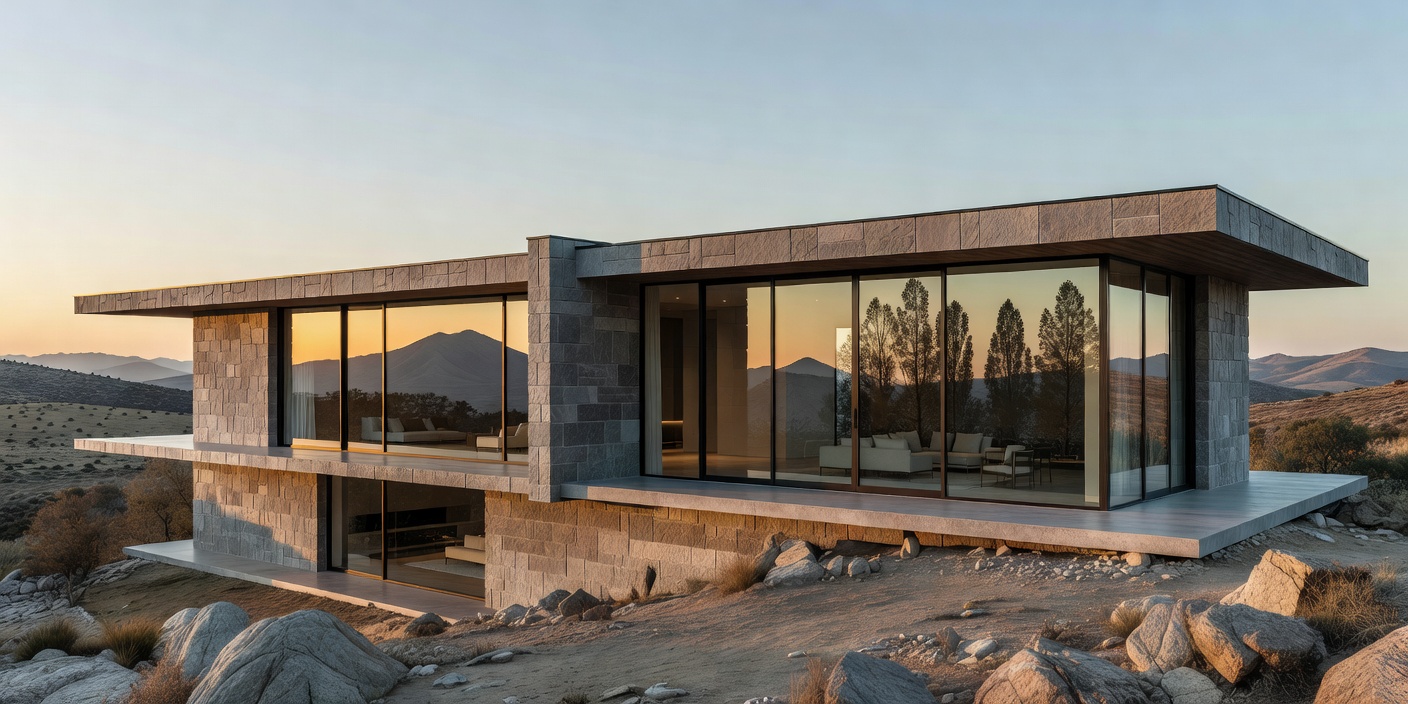
A desert building has to negotiate extremes: a bright sky, exposed ground, large temperature swings in some regions, and views that can feel almost immeasurable. The strongest designs begin by observing the site. Where does the sun travel? Which direction brings prevailing winds? How does water move across the land? What should remain untouched? These are not abstract questions; they influence where a guest room faces, where a path bends and how an outdoor meal feels at noon.
Orientation, shade and the daily sun
Building orientation can influence how much direct sun reaches a façade and how a room receives daylight. Deep overhangs, recessed openings, screens and covered walkways can create shade while preserving a connection to the outdoors. Their effectiveness depends on latitude, season, exposure, window design and construction. A screen that filters low-angle light in one setting may not answer a high summer sun elsewhere.
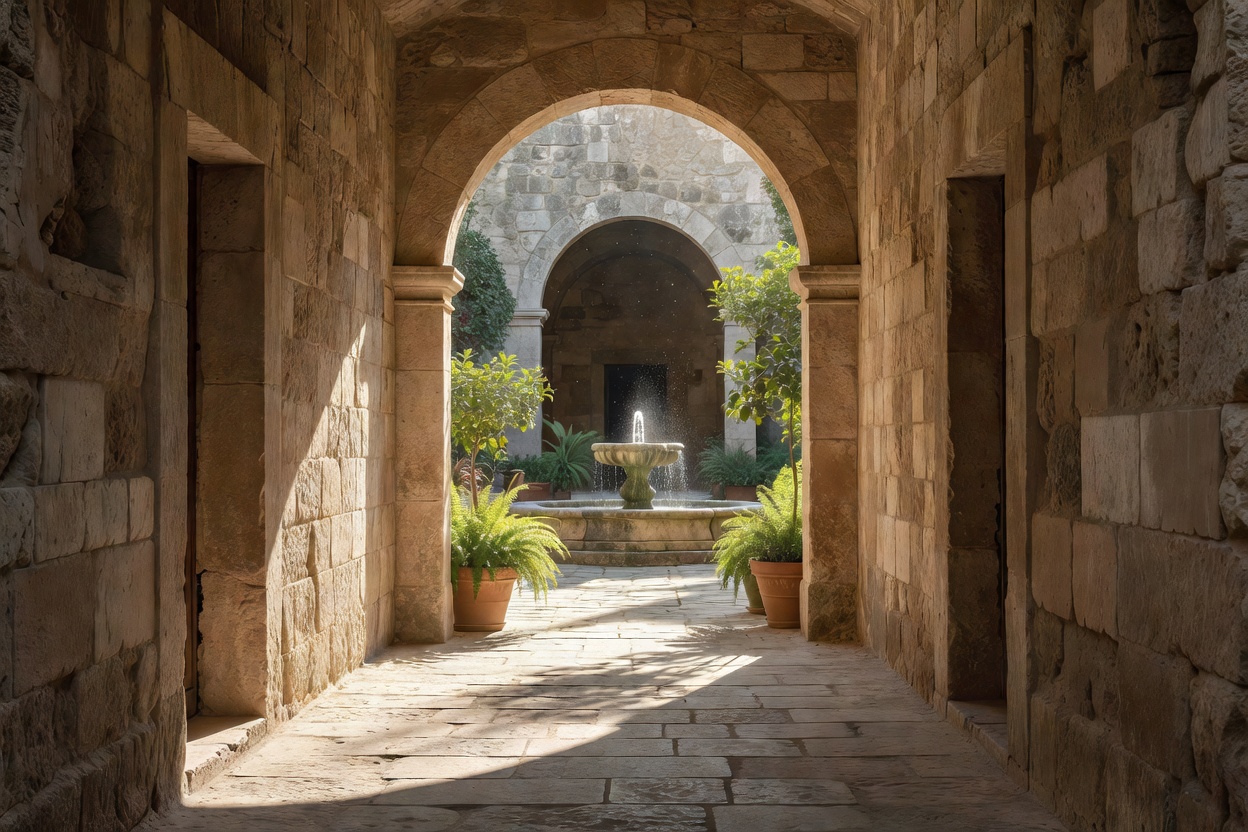
Courtyards offer another kind of protection. They can create a sheltered center, temper views between guest spaces and make a gradual transition from open terrain to interior rooms. Their comfort depends on proportion, orientation, airflow, planting and the local climate. Courtyard design is not a universal formula: a compact enclosed space may feel restful, while a poorly shaded one can hold heat.
Material, landscape and view
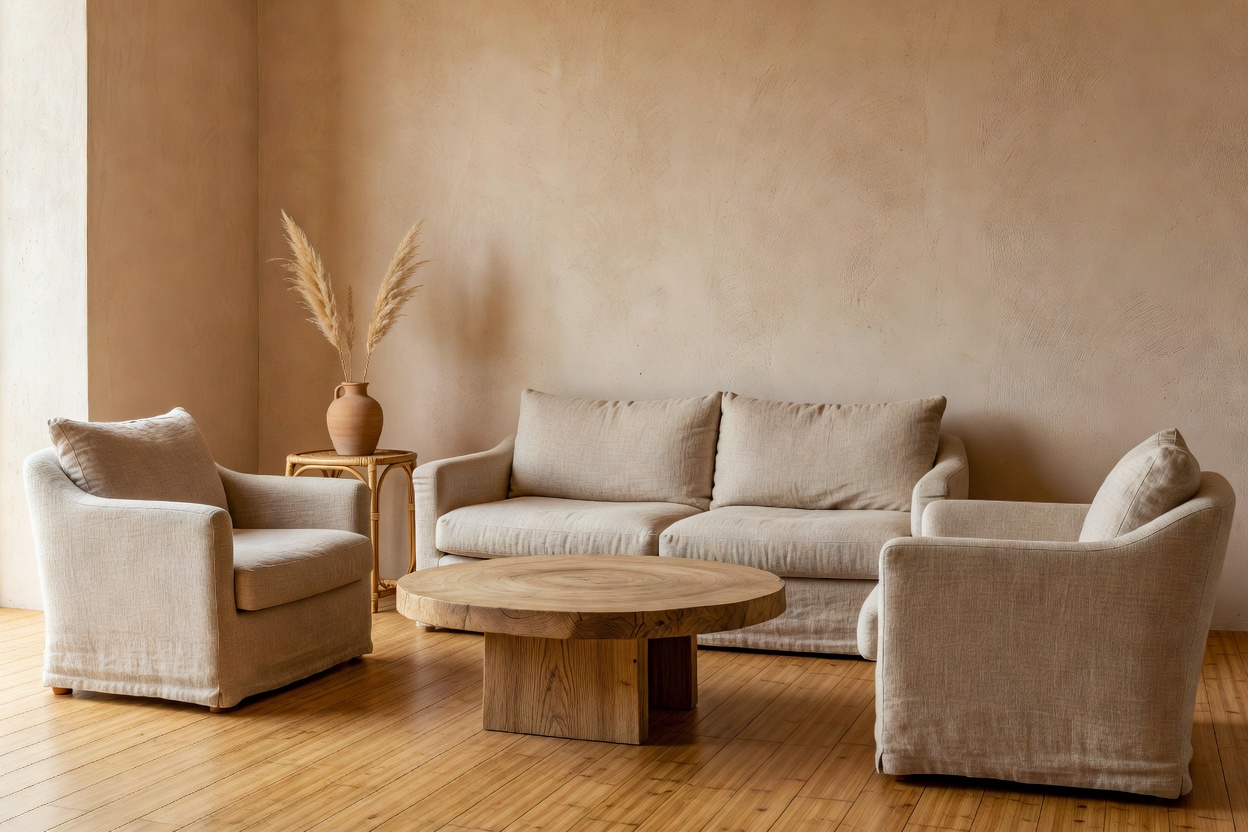
Stone, earth-toned finishes and timber can sit comfortably beside an arid landscape, but appearance alone does not tell the whole story. Material availability, transport, maintenance, fire considerations, local building codes and construction expertise all matter. Glass can frame a mountain or dune view, yet large glazed areas may increase solar gain or glare unless carefully specified and shaded. Local knowledge can help designers understand what materials weather well and which construction methods suit a particular site.
Landscape integration is more than matching a wall to the color of nearby rock. The building's mass, roofline, lighting, road access and disturbance of the terrain shape its relationship with the place. A low profile and restrained exterior lighting may allow the surrounding land and night sky to remain visually present. Planting choices and water features also deserve scrutiny where water is scarce. Ask whether landscape plans suit local conditions and how irrigation needs are managed rather than assuming that an attractive garden is resource-light.
Comfort is a system, not a material
Natural ventilation may be a useful design consideration when climate, wind patterns and building form support it. It cannot be assumed to replace mechanical cooling, especially during hot periods or in locations with dust, humidity or limited night-time cooling. Cooling demand is influenced by orientation, insulation, glazing, occupancy, equipment, operating schedules and local energy systems. No single feature guarantees low energy use or thermal comfort.
Privacy also shapes layout. Separate guest units may preserve quiet and frame individual views, while a closer cluster can shorten service routes and create a stronger shared courtyard. Each approach has a trade-off in land use, access, privacy and operating needs. The right question is not simply whether a resort looks dramatic, but whether its routes, edges and shared spaces feel thoughtful in use.
A restrained gesture can say more
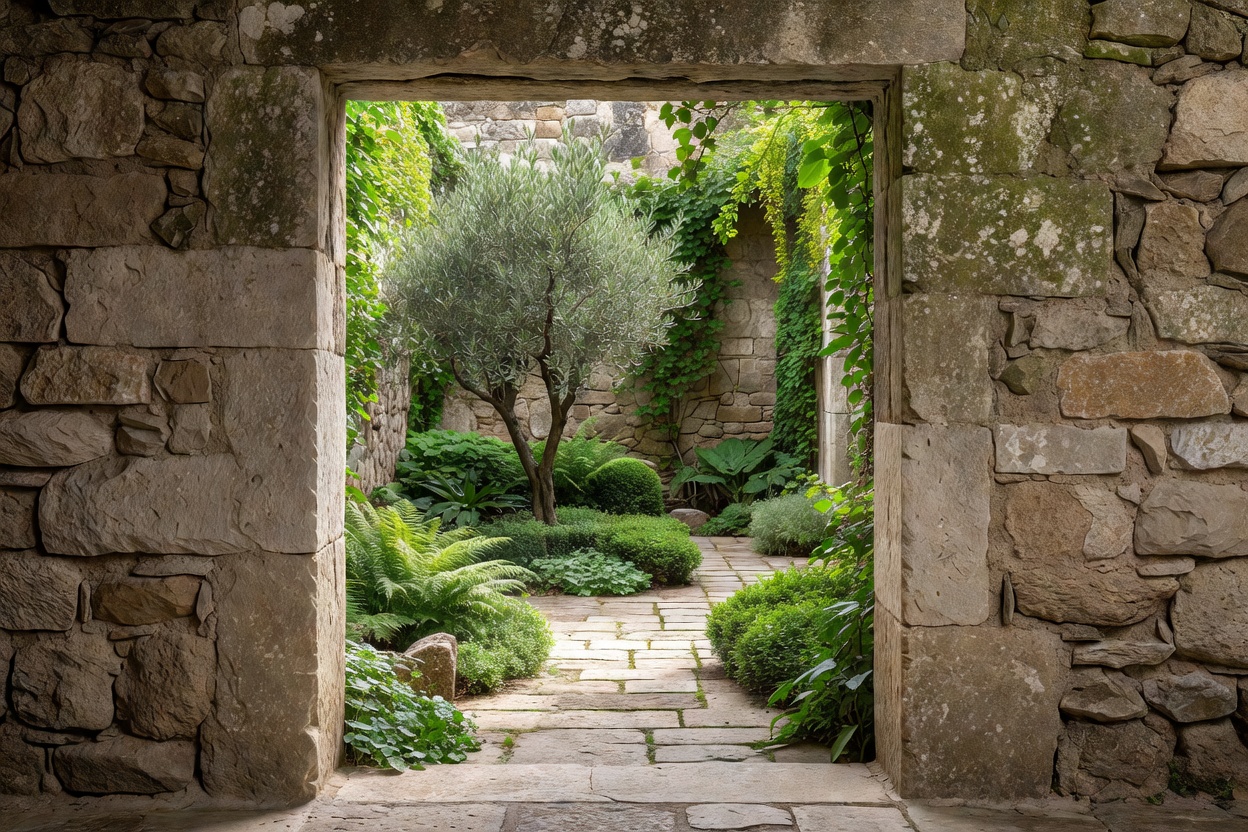
Some projects make a strong impression through sculptural form; others allow the geology and horizon to lead. Both can work when their scale, lighting and placement feel considered. Dramatic architecture becomes less convincing when it ignores the landscape it relies on. On a visit, notice whether paths preserve existing landforms, whether outdoor spaces have usable shade, and whether a building offers more than a view from a single room.
Design choices always depend on location, climate, codes, materials, operating requirements and local expertise. A property in Jordan's Wadi Rum, for example, sits in a different geographic and cultural context from a resort in Chile's Atacama or the American Sonoran Desert. Compare the design questions, not a presumed universal desert style. The most useful observations are specific: how a threshold is shaded, where a view is framed, how a room handles the afternoon sun.
Design considerations
- How are guest spaces oriented in relation to sun and wind?
- Where are the shaded routes, terraces and places to pause?
- Which materials are used, and how are they maintained locally?
- How are landscape planting and water needs explained?
- What is the balance between open views, privacy and shared space?
- Does exterior lighting preserve a sense of darkness after sunset?
What to look for
Seek clear descriptions of climate-responsive features rather than broad promises. Look at plans and photographs across different times of day. Ask how cooling, water and lighting are managed, and whether answers are specific to the site. Consider whether the architecture feels comfortable at human scale: a shaded bench, a legible path and a door that opens onto a usable terrace can matter as much as a memorable silhouette.
Architecture is one part of a larger stay. Explore how room type and remoteness change the experience in our guide to desert lodges, or consider how a landscape is encountered in desert excursions.